Thursday, 3 May 2018

Wednesday, 2 May 2018
Introducing Sherlock — User Engagement Scoring for SaaS Businesses
We are super excited to introduce Sherlock – a new product from Space Pencil (the folks that brought you Kissmetrics) – to the market this week.
Sherlock is a user engagement scoring application built specifically for SaaS businesses – for whom user engagement is…well…pretty much the whole point.
We built Sherlock to help SaaS businesses finally wrap their arms around the elusive beast that is user engagement – to make it tangible and accessible. Oh…and actionable. Very actionable. Sherlock is an analytics product with a purpose – to help make user engagement a centralized metric that drives actional across your SaaS operation.

WHY SHERLOCK EXISTS
Sherlock went from a personal desire, to a hack, to a prototype, to the product we just released over the course of several years. In many ways Sherlock was a passion project – a scratching of our own itch – and in many ways it is filling a need in the market that we can’t believe hasn’t been properly filled.
We build Sherlock for three main reason:
- In SaaS, user engagement really matters
- There has never been a good way to measure and quantify user engagement
- User engagement is a metric that should be operationalized across an entire organization
1. In SaaS, user engagement matters — a lot. No, seriously, a lot.
This sounds like an obvious point, but one that cannot be overstated.
The entire SaaS business model is based on retention. Without retention, there is no SaaS business.
And retention is based on engagement. If people don’t use your product, they will cancel.
No engagement, no retention. No retention, no business. The formula is really not more complicated than that.
User engagement is also one of the true leading indicators for a SaaS business. As investor David Skok said in his great blog post on the topic:
“The goal of a SaaS CEO should be to increase the profit they make from each customer (LTV), and lower the costs in sales and marketing that it takes to acquire each customer (CAC). Measuring Customer Engagement is a key tool that will help you achieve that goal.
Honestly, outside of revenue, there isn’t a metric that is more important to a SaaS business than user engagement.”
In many ways, user engagement is the lifeblood of the entire SaaS business model. So…it’s something that should be measured and managed like any other KPI. However…
2. There has never been a good way to measure actual user engagement
I have been searching for a good solution for measuring user engagement since I started building SaaS businesses. It simply blew me away that there wasn’t an easy (and effective) way to truly measure and understand all sides of user engagement. It has been one of my greatest frustrations over the course of several SaaS businesses.
And yes, yes…I’ve used general analytics tools. I’ve tried almost all of them. But none of them really understood what I wanted. What I needed. While they held all my data, offered many different ways to slice-and-dice, none of them answered my question – quantifiably – on user engagement.
What I always wanted while running SaaS businesses wasn’t that crazy. I wanted to:
- Know my best users/accounts
- Understand what makes them great
- Make more of them
Isn’t that really what every SaaS business wants?
For that to happen, user engagement needed to be quantified in a way that no general analytics tools could would do. There needed to be a solution that focus on just this.
3. User engagement is a metric that can & should be operationalized across an entire organization
As a foundational metric that drives a SaaS business, each part of the organization should be using some slice of quantified user engagement to help drive their daily work. For example:
- Product should use user engagement scoring to determine if their work building features is actually helping increase overall engagement;
- Sales should be prioritizing their outreach to trial accounts based on the engagement level of those accounts (see the Product Qualified Lead model)
- Customer Success should be using engagement measurement to drive upsells, save at-risk accounts and give context for all support interactions.
- Design should use engagement scoring to determine the best sources for user feedback.
- Marketing should use engagement scoring to better target message, identify potential advocates and more.
- Boards and investors should use user engagement measurement as a factor in future investment.
User engagement, when done right, can drive operations across the entire organization — this list is really just scratching the surface. A good engagement scoring platform will make it very easy to connect engagement data with the various tools used to drive your operations.
These are the three fundamental reasons why Sherlock now exists in the world. If you need more reasons, this post on the Appcues blog is a good reference.
HOW SHERLOCK WORKS
Sherlock works by giving SaaS teams the ability to create a custom engagement scoring model for their product.
The Sherlock journey starts by sending product usage data to Sherlock via Segment.com (right now, we only accept data from Segment). Then a user simply weighs key product events (with a weight between 1–10) based on their importance to overall engagement. It looks like this:

All actions are not created equally. For every product, certain actions (or events) are simply more important than others. You know this better than anyone, that is why Sherlock allows you manually set these weights. Once that is done….voila! The entire Sherlock product is populated from there and you will immediately be able to:
Discover users ranked by engagement
A full list of your users, ranked by their engagement-level with the product.
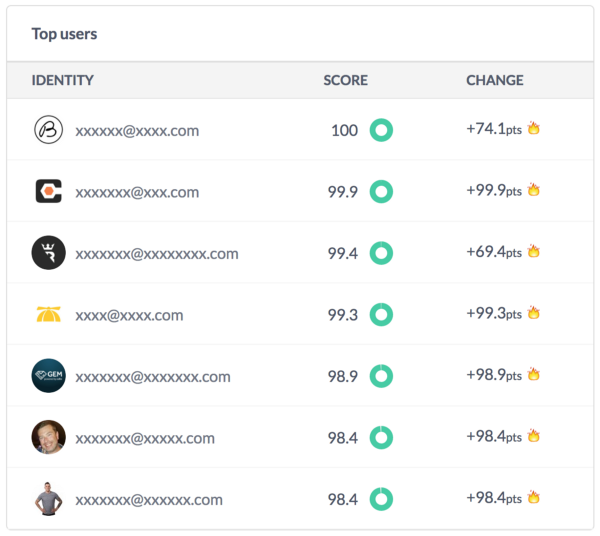
In Sherlock, all users get an engagement score between 1-100. This allows you to discover your top users in seconds (we promise, you WILL be surprised by the people driving engagement). Also, uncover who is rising or falling, what they do and how their engagement trends overtime.
Uncover Account-level engagement
Truly understanding engagement at the account-level is incredibly valuable for SaaS businesses. I would argue essential.

With Sherlock, you get a ranked list of your accounts as well as a list of all users on that account, by engagement level. This is incredibly helpful for many reasons, but especially when planning account management activities.
Track overall product engagement over time
On the dashboard, track total active users, average score per user, as well as total product engagement over time. Nowhere else can you get data that informs you of the overall performance of your product overtime.

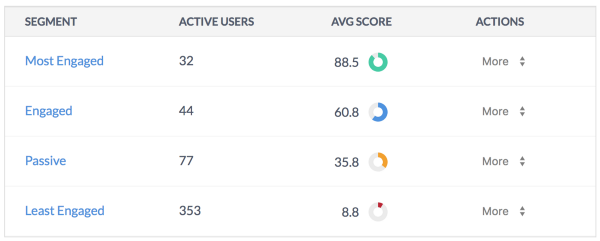
Compare engagement by segment
Create custom segments for different groups of users and compare their engagement.
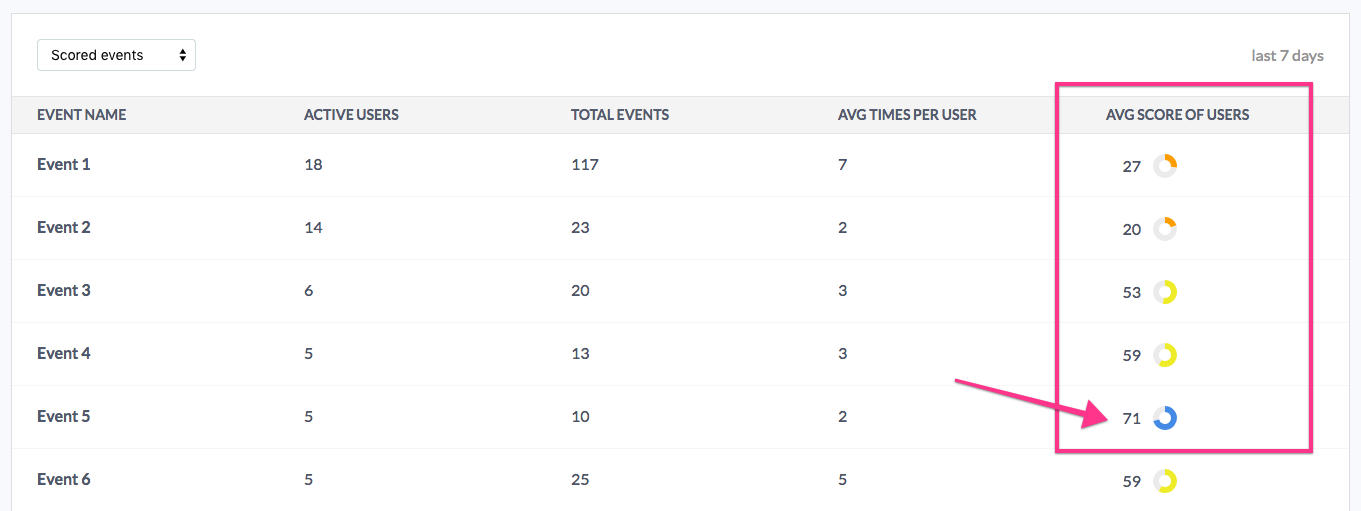
See which events are most engaging
Get a view of all the activities (events) from your product over time and see which events are actually driving more engagement.
Ship engagement scores to all your important operational tools
The most important thing you can do with this quantified engagement data is to get it make it accessible in the key tools that will allow you to take action on it. We ship engagement data to Segment, Intercom, Salesforce, and Slack.

Again, we are incredibly happy to be able to bring Sherlock to market. If you are running a SaaS company at any stage, I can’t imagine how you can run your business without a clear understanding of user engagement and all the benefits that come from that understanding. This is what Sherlock is built to do and we feel very confident that it will bring a ton of value to your SaaS business
Signup today for a 17-day free trial at https://www.sherlockscore.com
About the Author: Derek Skaletsky is the Head of Product and Customer Success at Kissmetrics. Previously, he founded the engagement automation app Knowtify which was acquired by Kissmetrics.


from The Kissmetrics Marketing Blog https://ift.tt/2w6KLyK
via IFTTT
#SproutChat Calendar: Upcoming Topics for May
Summer is just around the corner and this month at #SproutChat there is no shortage of useful conversations to be had, even with the sun shining well into the evening. From social team structures, to personal branding to managing social on the go, we’ve got you covered when it comes to thoughtful conversations that touch social media marketing.
May will have plenty of social media expert guests to bring their insights and expertise.
Wednesday, May 2: Social Team Structure
Social team structures and what their days look like can vary across the board, so let’s take the time to hear from our #SproutChat participants to see how their teams operate. We’ll also talk about the important skills that every social media manager needs to have as well as how they prioritize tasks throughout the day.
Add event to calendar
Apple Google Outlook Outlook.com Yahoo
Wednesday, May 9: Social Media Management on the Go
We know that as social media managers, the job often requires you to work on the run. This week at #SproutChat participants will share their best practices for utilizing mobile offerings to their fullest extent. We’ll cover hacks for creating content on the go, engaging in the moment and sharing any apps that make life a little easier for social media managers.
Add event to calendar
Apple Google Outlook Outlook.com Yahoo
Wednesday, May 16: Social for Regulated Industries
Getting a brand up and running on social can be a long, tiring process, but doing this in an industry that’s highly regulated and requires compliance? Well, that can be tricky. This week at #SproutChat we’ll be chatting with special guest and Sprout All Star, Alex Bimonte of Modernizing Medicine about best practices for social in regulated industries.
Add event to calendar
Apple Google Outlook Outlook.com Yahoo
Wednesday, May 23: Ambassador Programs
Social media allows consumers to become brand ambassadors just by sharing their word of mouth recommendation of a brand in a social post. At this #SproutChat we’ll discuss how to best utilize social media for launching a brand ambassador program and also use it to monitor for conversations from your ambassadors. We’ll cover the differences between an ambassador and influencers in this chat as well.
Add event to calendar
Apple Google Outlook Outlook.com Yahoo
Wednesday, May 30: Personal Branding
Launching your own brand? Rethinking your brand voice and look? Join Sprout All Star Elite and branding expert, Rebekah Radice at #SproutChat to gain insights on how to build up your personal brand and make sure that you stand out from the noise. Participants should expect to leave the hour with takeaways that can be directly applied to their own brands.
Add event to calendar
Apple Google Outlook Outlook.com Yahoo
This post #SproutChat Calendar: Upcoming Topics for May originally appeared on Sprout Social.


from Sprout Social https://ift.tt/2HKMefq
via IFTTT
How to Repurpose Content (and Why it Matters)
There’s no need to reinvent the wheel.
Ever heard that before? It’s excellent advice for virtually every job, task, industry, and endeavor. If you have something that works, use it.
Build off it. Adapt it. There’s no need to start from nothing
And when it comes to your content marketing, it’ll not only save you time, but it can deliver big, big results.
How so? By repurposing content you’ve already created.
“Repurposing your content opens the doors to reaching more people and breathes life back into old posts that you know are well written and highly informative.” ~Elna Cain, Professional B2B Writer
29% of top marketers repurpose their best content, while 27% listed producing enough quality content as their biggest challenge in a separate survey.
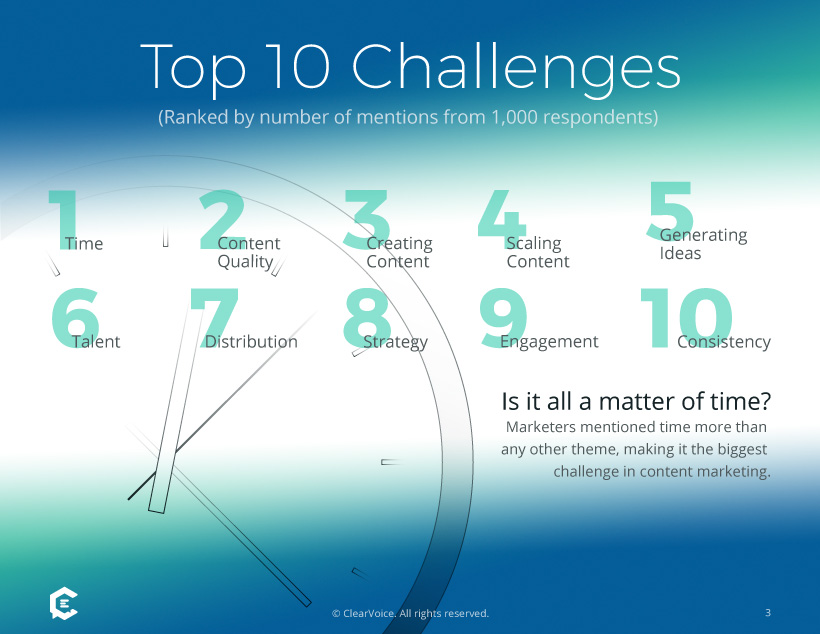
Overall, not having enough time, the quality of their content, creating that content, scaling content creation, and generating ideas were the top five most mentioned challenges facing the modern marketer.
The benefits of repurposing content? Those top five challenges are alleviated and made easier.
You could brainstorm new ideas, conduct research, draft, revise, polish, a/b test headlines and blurbs, publish, and promote a new blog post every few days…
Or you could take an existing asset that’s already a winner, repurpose it, and promote, promote, promote.
Which one sounds like the better use of your time?
What is Repurposing Content?
It’s exactly what it sounds like.
Repurposing content simply means taking an existing piece of content and using it in a new way for a new audience.
Blog series to ebook, for example. Or infographic to video.
There’s no shortage of transformations you could make. Marketers use a wide variety of channels, types, and formats for their content.
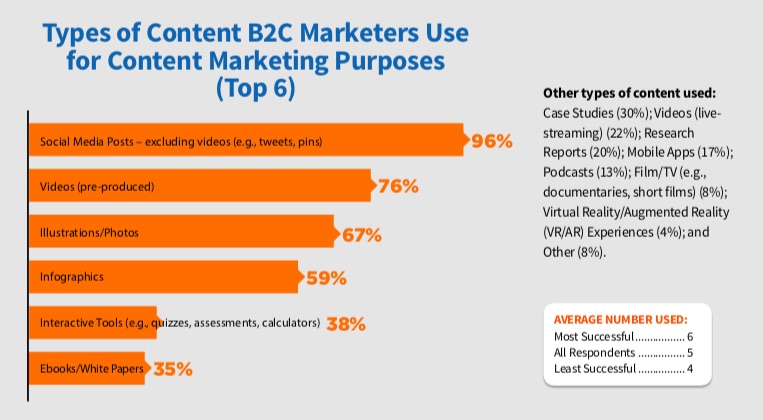
Videos, illustrations, infographics, ebooks, white papers, webinars, case studies, podcasts, charts, graphs, blog posts, quizzes, slide decks, reports, and on and on.
In fact, releasing quality content as only one type is really doing it and your audience a disservice.
Why Should Your Website Repurpose Content?
To begin with, not everyone likes blogs. Or videos. Or white papers. Or infographics.
If you spend hours, days, or weeks creating something spectacular, and you release it to the world as “just” a blog, many people will never give it a second look.
Content marketing is about getting as many eyes on it as possible.
Eyes on it means traffic, traffic means shares and interest, shares mean more eyes and greater awareness which generates still more eyes on it, which means more prospects and potential for conversion, and round and round it goes.
“Content marketing’s purpose is to attract and retain customers by consistently creating and curating relevant and valuable content with the intention of changing or enhancing consumer behavior. It is an ongoing process that is best integrated into your overall marketing strategy, and it focuses on owning media, not renting it.” ~Content Marketing Institute
Attract and retain customers.
Let me ask you this: are you only targeting blog readers? How about only those that watch videos online? Do you only want to keep those existing customers that enjoy infographics? Of course not. You would never intentionally limit yourself, your brand, or your product that way.
But without repurposing your content, that’s essentially what you’re doing. You’re not providing for them in the ways they want and appreciate.
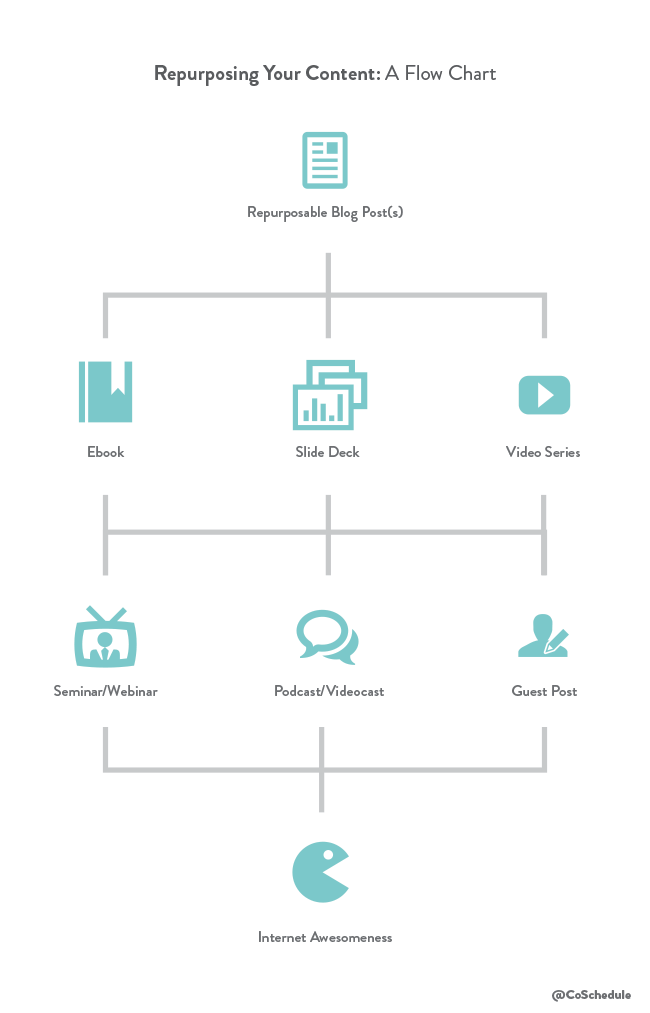
Repurpose your best stuff, and it reaches more of your target audience in the places and ways they want to be reached.
Benefits of Repurposing Content
In addition to reaching a wider audience in the types and formats they want, the benefits of repurposing content include:
- Better chance to be seen. We spend a lot of time online: an average of 40 minutes/day on Youtube, 35 minutes on Facebook, and 15 minutes on Instagram. It adds up to 5 years and 4 months over our lives. That’s nothing to sneeze at, but it also means there’s a greater probability of someone missing that tweet about your new blog post than of seeing it. Social media moves too fast, and no one is online all the time. Want your content to be seen? You’ve got to repost and repurpose. The rule of seven tells us that the average consumer needs to see your message seven times before they buy into it…or you.
- The life expectancy of a social media post is relatively short: a typical tweet has a half-life of 24 minutes, a Facebook post reaches 75% of its maximum impressions in 2 hours and 30 minutes, and blog posts by top brands receive 50% of their comments in the first 6 hours. The takeaway? Repost, reschedule, and repurpose.
- Give your search engine optimization efforts a boost. A well written blog post will have several targeted keywords. Repurpose that content as an infographic or podcast, and you’ve increased the opportunities you have to rank for those keywords. A better rank – or multiple rankings – means a better chance to divert more of that search volume traffic to your digital doorstep. You’ve already done the keyword research, so maximize your possibility of succeeding with it.
- Save time for promotion, which is the lifeblood of content marketing. The less time you spend on brainstorming, researching, and creating content, the better. The majority of your time and effort should be spent on promoting it, not making it.
- Build your authority and reputation. The more people see your name attached to content on a particular topic or industry, the more your online reputation grows. You need to be seen as an expert. You want to be considered the go-to guy or gal. Authority is one of the six principles of persuasion as outlined by Robert Cialdini. Persuade, then convert.
- Increase your return-on-investment. Quality content takes time and money to create. Repurposing blogs, repurposing video content, and content recycling in general lets you squeeze extra value out of money you’ve already spent. Get more with no additional cost. That’s a business strategy everyone can get behind. That $500 blog post can be repurposed for next to nothing, giving you more bang for your original buck.
- Diversify your content catalog. No one wants the same thing for supper every night.
- Generate more opportunities for quality backlinks. People sharing your content creates backlinks to your site, and they’re a crucial and beneficial ranking factor.
It takes a great deal of resources – time, energy, and money – to produce a valuable, useful piece of high quality content.
Using it once is a waste. You wouldn’t buy a new laptop and log on just once, or use it just for emailing, right?
So why do that with your content? The mantra for content marketing in 2018 and beyond should be “repurpose, promote, repeat”.
4 Repurposing Content Examples For SaaS Business
By now, you should be convinced of the benefits of repurposing and are probably ready to see some content repurposing examples.
The proof, as they say, is in the pudding.
Does it really work? What exactly can be repurposed? Let’s take a closer look.
The No New Content Challenge
Buffer is one of the major players in the content curation and scheduling game.
Many of you likely use its social media management platform in your content marketing.
The Buffer Blog consistently produces high quality and useful content on everything from social and digital marketing to productivity and the customer experience.
For one month in 2015, they wanted to see what would happen if they repurposed their existing content rather than created new stuff.
With a blog that regularly saw 600,000-700,000 monthly visitors, the stakes were high.
Instead of writing new posts, they created new email campaigns and ebooks using old blog posts, updated outdated posts, created SlideShares and videos from blog posts, and republished to Medium.
The result?
While overall traffic dipped slightly, their organic search traffic was up by over 4%, the resulting SlideShares produced nearly 200,000 views, an ebook on social media tips curated from old posts brought in 2397 signups and downloads, and an email drip campaign called “The 7 Day Social Media 101” and a 25-day video course nabbed 17817 and 18185 (in the first 6 days alone) signups, respectively.
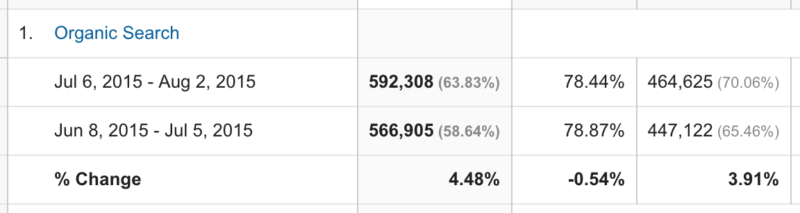
And all with no new content for 30 days. So, does repurposing content work? (hint: yes).
Matthew Woodward
SEO and affiliate marketing professional Matthew Woodward decided to repurpose and republish a couple of blog posts on LinkedIn Pulse. With minimal tweaking, he published with a link to a new landing page for an existing lead magnet.
The experiment garnered 332 new subscribers and a conversion rate of 76.15%.
Convince & Convert
Jay Baer of Convince & Convert creates a lot of content, including 3-minute informational videos.
In order to reach a bigger audience, he and his team began repurposing that video content as blog posts on the C&C website, LinkedIn Pulse, and Medium, and as podcasts (distributed via iTunes), effectively covering the text, video, and audio crowds.
Convince & Convert has been crowned the #1 content marketing blog in the world by CMI, attracting hundreds of thousands of potential prospects for their consulting services and marketing tools.
Moz
It you want to learn about all things SEO, you need look no further than Moz.
Their blog is chock-full of posts on everything from keyword research to link-building to audits and everything in-between.
Once a week since 2007, they’ve repurposed their best blog content as an engaging and informative video series called Whiteboard Friday.
It’s legendary in the industry. Iconic. And its fans are legion.
That kind of loyalty, advocacy, and brand recognition is priceless, bringing in a steady stream of referred traffic and leads.
A mind-boggling 11% of the top SaaS companies in the world do not blog.
That’s shocking at any time, but in 2018 that’s simply insane.
A blog is the foundation of any content marketing plan.
And a blog is the content bank from which you can pull and repurpose from now until the cows come home.
Blog. Promote. Repurpose. Promote. Succeed.
How to Repurpose Content in 2018
By this point, you may be thinking “Okay, okay, I get it. Repurposing content is extremely beneficial and efficient.” And you’d be right.
But, you’re probably also thinking “How do I do it?” It’s one thing to know why, but something else entirely to know how.
It’s easier than you might be expecting.
Identify the Posts Worthy of Republishing
If you’ve got a sizeable content catalog, deciding which ones deserve your repurpose attention is step one.
Head on over to your analytics dashboard and check to see what posts have been your best performers in the past month, past year, and possibly even past 4-5 years.
Look for those posts with the highest pageviews and/or average time on page.
Use a tool like BuzzSumo to find your most shared pieces.
These are the pieces resonating most with your audience and visitors.
This is the content most likely to benefit from a little repurposing magic.
For each asset, consider how you might be able to transform it.
Blog to video, video to transcript, podcast to infographic, series to ebook, and so on.
While you’re at it, be on the lookout for content that is either a) outdated, or b) a topic on which you have greater knowledge now than you did when you wrote it.
These can be updated and expanded with little effort, allowing you to promote the new and improved version.
“Content repurposing doesn’t just mean that you reuse an old piece of content again and again. True repurposing requires that we alter it to make it fresh and appealing to a new audience.” ~Garrett Moon, CEO and Co-founder of CoSchedule
Repurposing content takes little effort, not zero effort.
What themes are still relevant? What topics are still popular?
On what subjects do you have more to say? Find content that fits in to those categories, and you’ve got yourself a winner.
Turn Old Blog Posts into Fresh and Complete Guides
This is perhaps the easiest repurposing you can do, but don’t let that fool you into thinking it’s not worthwhile.
The world moves pretty fast.
Some industries move even faster.
Posts you wrote last year – or even several months ago – can already be outdated.
Sometimes the just need a few tweaks.
At other times, they might need a partial or complete rewrite. Either way, you end up with something “new” to promote on your channels.
Even better, take several blog posts that share a broad subject and combine them into one complete guide.
A post about gaining Instagram followers, using that platform for business, how to write an Instagram bio, and best practices for increasing engagement can join together to create a powerful “Complete Guide to Instagram for Business”.
The “complete” or “ultimate” or “definitive” guide-type posts will always be popular. Harness that with minimal effort.
Create White Papers and Infographics
What type of content do you think drives lead generation? You might be surprised to learn its white papers.
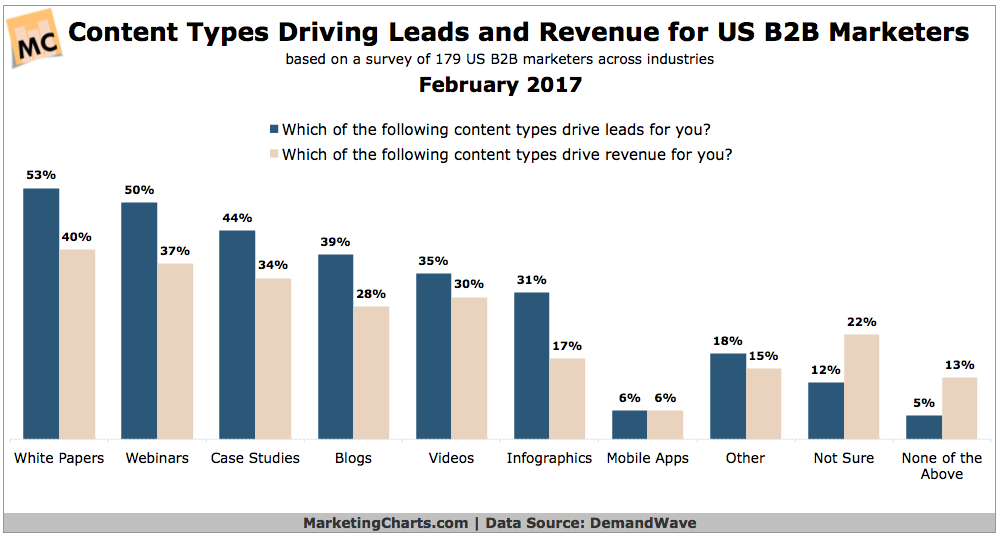
White papers are authoritative.
They cover a particular topic, presenting hard data and research to ultimately argue for a specific solution to a specific problem. They inform and persuade based on facts and evidence.
Done right, white papers build trust, increase your authority, and generate credibility for you and your brand.
They are research, data, chart, and graph heavy. Writing a white paper can be a time-consuming task.
But the don’t have to be. Your blog posts are full of data, graphics, and research already, right? Use that.
Combine several posts on the same basic subject, and you should have enough raw material to pull it together into a high quality white paper in half the time it would take to write one from scratch.
Use a template and save even more time. In the B2B sphere, they’re an absolute must.
And then we have infographics. Popular, powerful, and persuasive, a good infographic can disseminate information like few other types can. Consider:
- We process visual data 60,000x faster than text.
- It takes us just 13 milliseconds to process an image.
- Infographics are 30x more likely to be read than a text post.
- Infographics are liked and shared 3x more than any other content type.
- 74% of surveyed content marketers use them (tied for first), and 17% list them as the best performer in their marketing mix (second only to research/original data).
We are hardwired to understand and enjoy visuals, and infographics are very popular with both marketers and consumers alike.
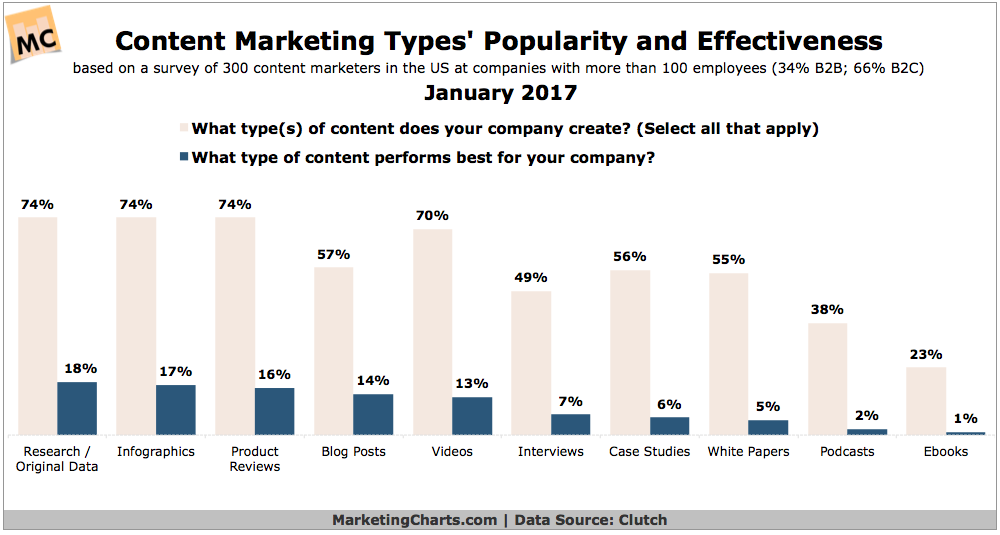
What’s more, creating infographics from existing content assets is quick and easy.
Services like Visually can do it for you, or tools like Infogram, Easelly, and Canva allow you to do it yourself.
The data collection and research is the “hard” part…and that’s already done and ready to use.
Turn Posts into a Webinar
Few content types are as engaging as a webinar or live stream.
They allow you to share your expertise, build credibility, and connect, communicate, and engage with your customers and leads in real-time.
The best webinars focus on one specific topic that you understand exceedingly well and can dig deep on. They have a spectacular slide deck that supports and complements the “script” you’ve written beforehand.
“There’s a lot of logistical things to think about, so even if you think you know what you want to say, you’ll be surprised at how quickly you forget once you get into presentation mode. Create a list of the questions as they come in so you can keep them organized. Lastly, relax! The attendees are there to listen and learn, not judge.” ~Chris McHale, Nurture Marketing Specialist at WordStream
Your most popular posts are prime candidates for the webinar treatment. Identify them, use them to create your slide deck and script, and promote your upcoming webinar everywhere you can.
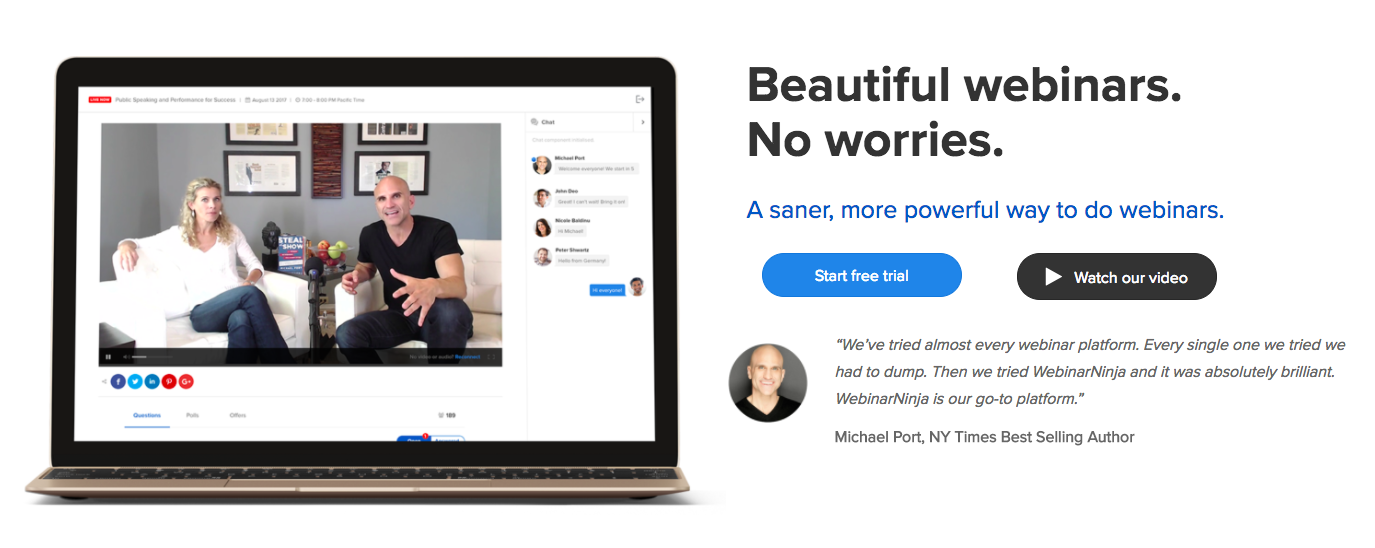
Service providers like WebinarNinja and GoToWebcast can help with the logistics and host hundreds if not thousands of attendees.
And once your webinar is finished, don’t forget to upload your slide deck to SlideShare, and post the recorded video to your blog. That’s 3-for-1. That’s repurposing like a boss.
Create Videos
Think about how much video you consume on an average day.
A lot, right?
We love video. We seek it out. It rules the online roost:
- 55% of people watch video online every day.
- More video content is uploaded online every month than television has created in the past 30 years.
- Internet video will account for 80% of consumer internet traffic by 2019.
- 53% of consumers want to see more video content from marketers.
- Video posts have 135% greater organic reach than photo posts on Facebook.
- Brands that use video see 41% more traffic from search than brands that do not.
Repurpose your best content into a one-off or video series.
Record yourself and upload to YouTube or Skillshare.
If you’re camera shy, consider an animated video using Powtoon or GoAnimate.
A tool like VideoScribe automatically animates whatever you place on its canvas.
ScreenFlow lets you record your screen.
Whatever kind of video you want to make, a tool exists to help you get it done.
There are a lot of people who would rather watch than read, so give them what they want. Teach, inform, entertain, instruct, explain, and more.
Turn Posts into Ebooks
Taking several related posts and turning them into an ebook is a quick win.
You may need to fill it out a bit, write a few connecting paragraphs, and/or add a few more high quality visuals, but the bulk of the writing is ready to go.
Turning blog posts into ebooks is fast and easy for you, but they’re well regarded by people.
They carry more weight. They seem “better” than a blog post because they’re longer and more detailed.
They can be downloaded and carried with them wherever they go.
Darren Rowse of Problogger launched 31 Days to Build a Better Blog made up largely – though not exclusively – of repurposed blog material. The ebook remains one of his best sellers to this day.
You can share your ebook for free, use it as a lead magnet, sell it, or make it a reward in a contest or challenge. It’s entirely up to you.
An ebook gives an instant boost to your credibility and reputation.
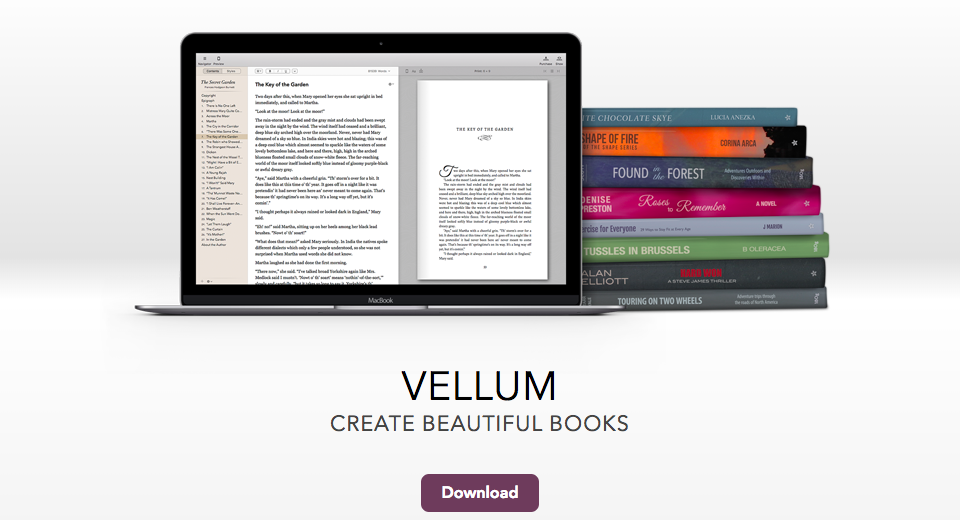
Programs like Scrivener and Vellum allow you to save in a wide variety of formats, including Amazon Kindle, PDF, and iBooks. Maximum impact. Minimum effort.
Anyone can start a blog. But not everyone has their own series of ebooks. Stand out from the crowd.
Podcasts and Audio
Just as many people are visual learners and prefer videos and graphics, many people learn best by listening rather than reading.
Turning your best stuff into a podcast or audio file couldn’t be easier.
In fact, it may require little more than reading the post and injecting a bit of personality. That’s it.
Hate the sound of your voice? Hire someone else to do it for you. Believe it or not, Fiverr actually has a voiceover section. Who knows, you might just stumble upon the new voice of your brand.
Podcasts and audio files are fantastic because they not only reach a new audience, but much like an ebook, they carry an element of authority and sophistication.
Consumers can download them, and listen in their car, at home, on their commute, at rest, at work, or an the go.
That’s some serious reach. 44% of the American population has listened to a podcast, and 80% of them listen to all or most of it.
Services like Podomatic, PodBean, iTunes, and SoundCloud assist with everything from creation to editing, and hosting to promotion.
Increasingly popular, easily shared, and simple to do.
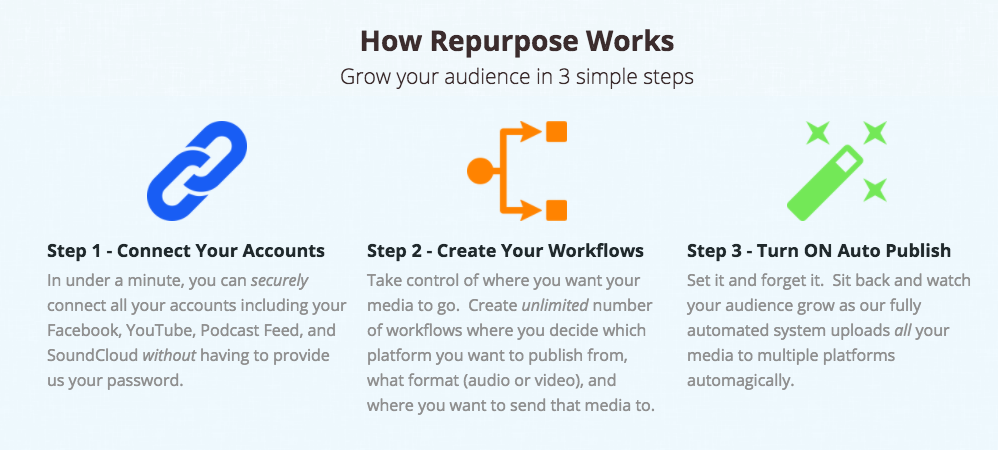
And Repurpose into the mix – it automatically converts your podcast to a video and shares to the most popular sites like YouTube and Facebook – and you have your bases covered.
Medium is a Good Platform for SaaS Business
Republishing your 5-star content on Medium can give you a big traffic and exposure boost.
And you’re literally just republishing content without making any changes (unless you want to, of course).
And before you start to worry about the dreaded “duplicate content penalty” from Google, don’t. It’s a myth. It doesn’t exist.
Medium boasts 60 million monthly readers, 140,000 new stories each week, and dozens of topics and categories.
Sign up, get started, and get sharing.
Think of it as half social network and half writing platform. It’s the best of both worlds.
Benjamin Hardy went from zero to 50,000 subscribers using Medium in only 16 months. How’s that sound?
Don’t Forget to Republish Older Posts
Finally, you don’t want to neglect your older posts.
Just because they’ve fallen off the radar, doesn’t mean they’re worthless. High quality, evergreen content can be reposted to tremendous effect.
We’ve already mentioned the short life span on a typical social media post.
The harsh reality is that most people won’t see it the first time around.
Share it again though, and you’ve increased the eyes on it. Share a third time, and it’s still more.
Reposting your content on a regular schedule will capture a bigger audience for it, reach people in different time zones, and generally increase your traffic.
Some studies have shown it’s possible to get 75% of the engagement of the original post. What’s not to like?
So share it. Share it again later that day, the next day, next week, next month, and two months from now. Experiment with the best times to share on different platforms. Use a scheduler like Buffer or Hootsuite to do it all for you.
You’ve already put in the effort. Don’t let it go to waste.
Conclusion
Your content is the heart of your marketing. Make it work for you by using a consistent repurpose and reschedule plan.
“Create less, promote more.” ~Salma Jafri
Everything can be repurposed into something else.
Old is new again.
The less time you spend on creating and the more time you spend on promoting, the higher the return you’ll see on content marketing.
You don’t need to reinvent the wheel every time you need to move something from Point A to Point B.
You might need to change it up a bit – size of wheel, number of wheels, material of wheel – but it’s still fundamentally the same thing.
The same goes for your content.
Slide deck into video. Podcast into transcript. Blog series into webinar. Data into infographic. The possibilities are endless.
Have you tried repurposing your best content? What strategies and tools have you tried? Leave your comments below:
About the Author: Neil Patel is the cofounder of Neil Patel Digital.


from The Kissmetrics Marketing Blog https://ift.tt/2w457sr
via IFTTT
Tuesday, 1 May 2018
Why SaaS Brand Advocacy Is More Important than Ever in 2018
Although it’s no secret that the realm of marketing is constantly evolving, it seems that the space is changing especially dramatically for SaaS companies nowadays.
And these changes are cause for concern for brands looking to flourish in 2018.
For starters, consider the overwhelming push toward personalization.
This signals the need for SaaS brands to segment their content assets and interfaces to hone in on messages that speak directly to specific customers.
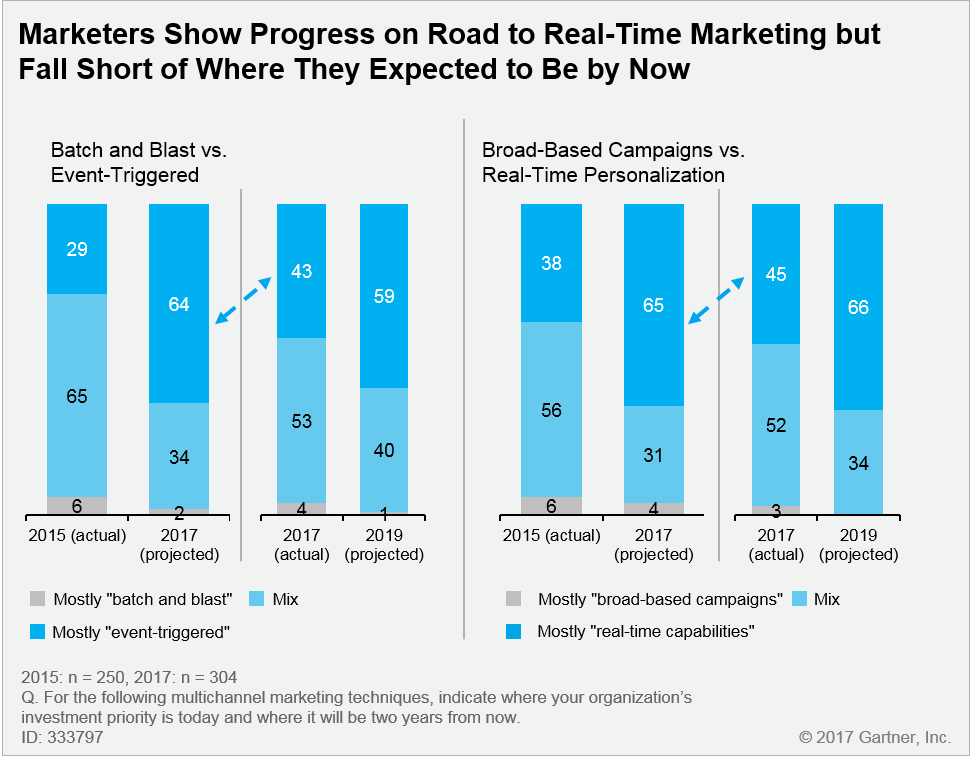
Gartner predicts that by 2020, 90% of all brands will practice at least some form of real-time personalization. Currently, nearly half of the businesses polled use real-time personalization to inform the majority of their messaging. In the SaaS industry, where every interaction is ideally tracked, the opportunities are enormous.
Then, there are the recently announced changes to Facebook’s algorithm that basically mean that organic reach for pages is finally altogether dead.
Afraid of being frozen out of users’ feeds, SaaS marketers are trying not to panic in the face of what could potentially put their existing marketing funnels in jeopardy.

There’s also the rise of automation to think about.
SaaS companies are investing heavily in AI and machine learning to reduce churn and win more new customers simultaneously. From services that provide A/B testing to conversational bots that capture leads on-site, brands are rapidly experimenting with new ways to optimize their content.
Why Brand Advocacy Is Such a Big Deal for SaaS
Simply put, your content marketing strategy is at the core of your capacity to adapt as a SaaS brand. Beyond the basic benefits of driving traffic and raising brand awareness, an effective content strategy is essential to consistently nurture and onboard leads.
Conventional wisdom says that we should shell out piles of money for paid media or sponsoring influencer posts to grab people’s attention. However, is this sort of “pay-to-play” strategy really the best way to go?
In an era where social proof is such a powerful currency for marketers, it’s more important than ever for SaaS marketers to seek out brand advocates wherever we possibly can.
And who could possibly be better brand advocates than your own customers and employees? These people are already emotionally invested in your product’s success, and they know your brand better than anyone else.
Encouraging your own network to promote your content and product from their personal social accounts is a potential game-changer for SaaS brands. Rather than spend the resources to chase paid outlets and influencers, brands should focus on advocacy, which can produce better results in a shorter amount of time.
“By creating a product that solved a problem that a lot of people faced, it meant there were already millions of people looking for us when we launched,” Canva CEO Melanie Perkins recently told Forbes, “so when they found us, they told their colleagues, friends and families.”
Here are some of the biggest benefits associated with brand advocacy, along with some ways that SaaS marketers can get started with realizing them.
1. Overcome Content Overload and Mistrust
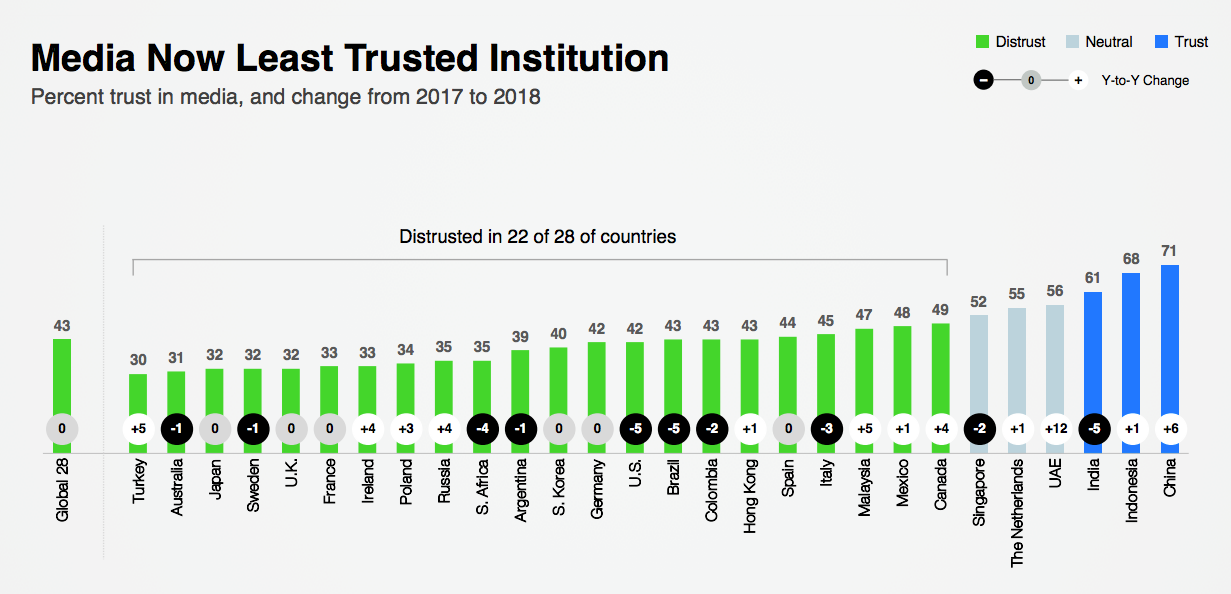
In an era where people are consuming a staggering 12 hours or more of content per day, your customers obviously have a lot to sift through. And trust in the media – which includes “platforms” like social apps, by the way – continues to sit on shaky ground.
While the concept of “quality content” might be cliché at this point, consider how a higher volume of shares highlights a piece of content as buzzworthy. This is social proof at its best.
Content shares and product recommendations work because people trust peers and thought leaders more than they trust brands and institutions.
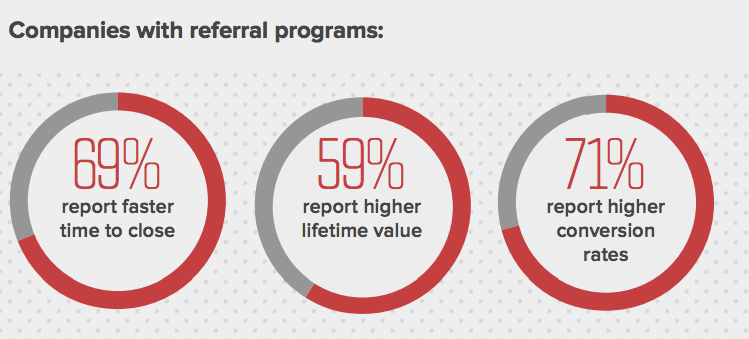
Bear in mind that employees who serve as active advocates on social media can quickly emerge as influencers on your behalf. Indeed, transforming your own employees into thought leaders is a desirable byproduct of brand advocacy.
2. Expand Your Reach Organically
No matter how you slice it, competition in the SaaS space is fierce.
Considering that there are approximately 5,000 brands in the martech space alone, SaaS companies must fight tooth and nail for the attention of potential customers.
Think of advocacy as a sort of numbers game. The more people promoting your content, paid or otherwise, the more likely you are to break through the noise and reach the people who need your product most.
When you encourage employees to regularly promote your content with their own social media audiences, you essentially amass a small army of promoters you can call on time and time again. This year’s State of Employee Advocacy study from JEM Consulting found that over 75% of respondents see their advocacy program as yielding satisfactory or better results.
Whether you’re dealing with a few dozen or a few hundred employees, those numbers are nothing to scoff at. Through social brand advocacy, you exponentially increase your social reach and potential to be seen by leads.
And keep in mind – in many cases, all it takes is for the right person to see a link and opt in for a free trial to pave the way to the sale. TOPO CEO Scott Albro notes that the smaller the company your prospect works for, the more likely he or she will be to stick with your product once the trial period expires:
“SaaS buyers won’t engage in more than one trial. Our data shows that this is particularly true in the small and medium size business market where buyers tend to comparison-shop less. You need to make sure that buyers find your trial first. You also need to make sure that you don’t squander that opportunity when you get it.”
3. Engage Your Employees
Perhaps one of the most overlooked aspects of encouraging brand advocates among employees is the actually task of asking them to do so.
While most workers would be glad to promote your content, keep in mind that brands should treat advocacy like any other sort of campaign. That means having a defined strategy and measuring performance.
But SaaS teams often have highly specialized skill sets. You can’t expect everyone to be a seasoned content marketer and social seller, too. Instead of having employees post content haphazardly, consider some of the tools out there that help streamline the process of internal brand advocacy.
One such tool is Smarp, which aggregates company news and industry-relevant content to categorized feeds. Team members can pick up the content that speaks to them most and schedule posts for their own profiles with just a few clicks.
This cuts down on potential wastes of time on social media and streamlines the process of sharing new content amongst your workers.
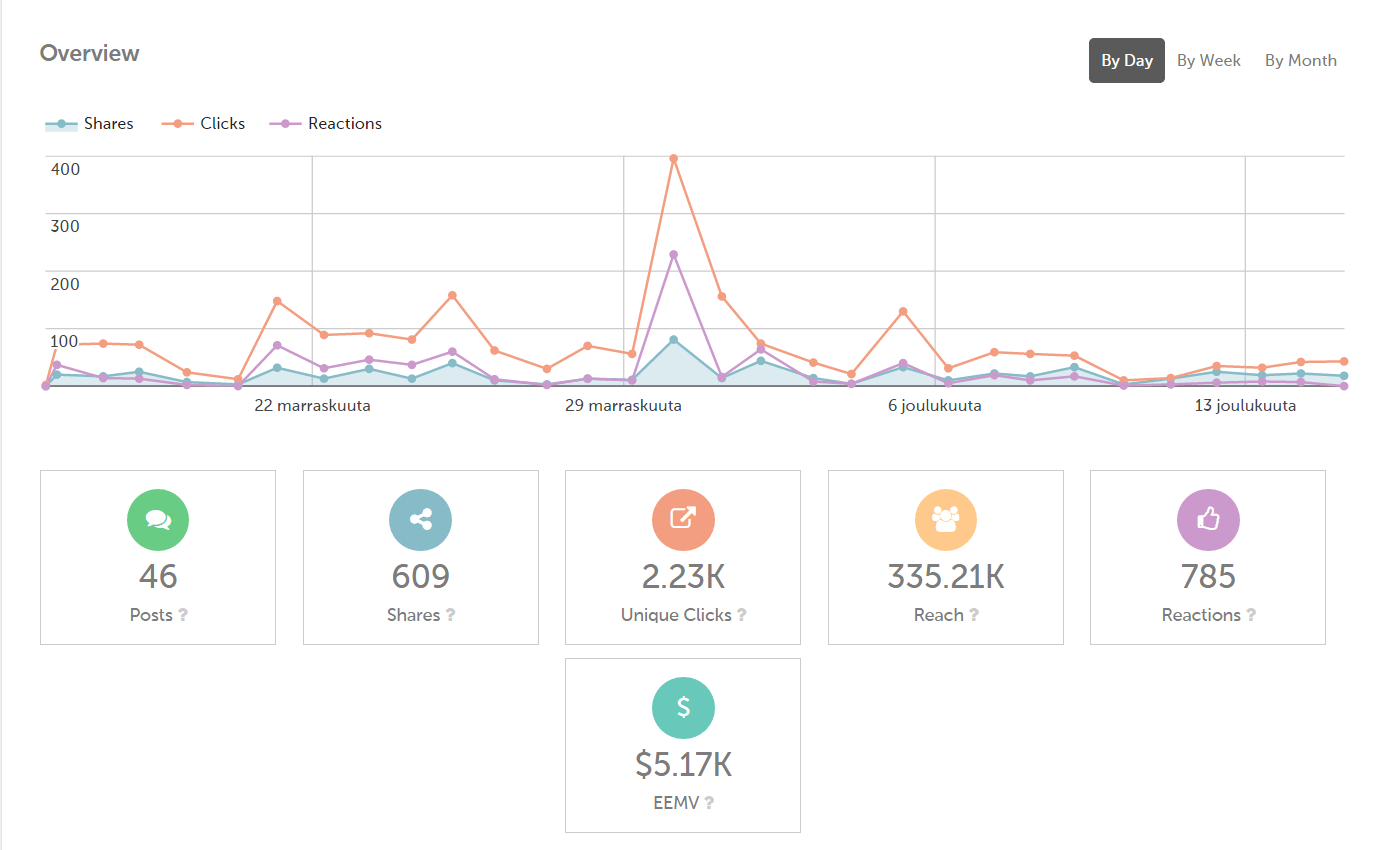
Features such as gamification signal the most active advocates within any given company, providing additional incentives for employees to become eager advocates. In addition to content aggregation, Smarp provides analytics on both a company-wide and personal level to identify top advocates.
This type of system works because it makes employees from all departments into partners in your SaaS product’s exponential sales growth success, a process which Roketto Co-founder Ulf Lonegren compares to the growth of a tree that spawns more trees:
“Make your employees proud of the work they do, make them feel like an important part of the process by reminding them how the software provides value and informing them of the successes, listen to their ideas, and provide a sales chart in the engine room that tracks the progress. Set sales goals and provide rewards for reaching those goals. Provide incentives for team members to make sales. In this world of mass marketing, word of mouth often provides the authenticity that buyers want when seeking a product, so remember that every member of your team could be that one oak tree, and from one tree many nuts can fall.”
4. Supercharge Your Social Selling
SaaS customers are heavily influenced by what they see on social media when it comes time to make purchases.
This rings true in terms of how often they see content and the sharers of that content. If social posts from sales pros, marketers and brands themselves are deemed less worthy of people’s attention than social posts from peers and laymen, then it follows logically that your prospects are more likely to respond favorably to content shared by a high volume of people.
Research from Sana indicates that social media is the number two driver of digital sales in the B2B sector, ranking just behind onsite buying.
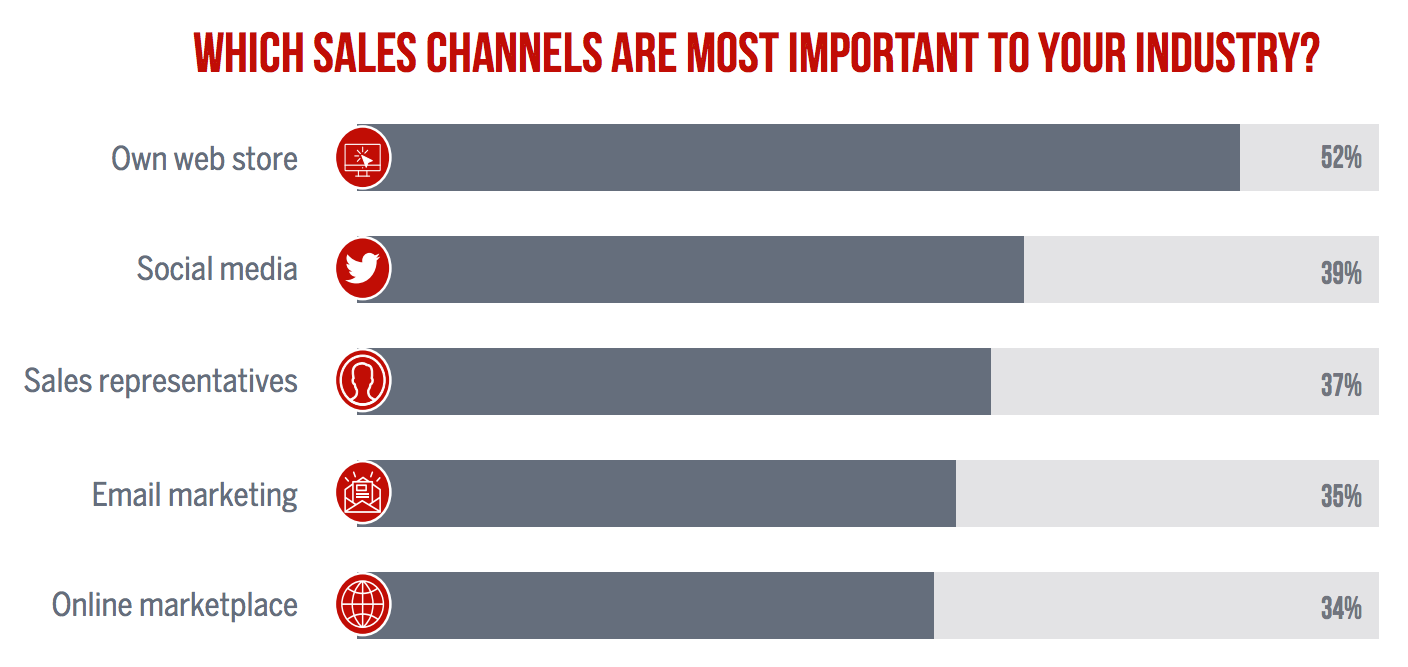
Again, the numbers game of brand advocacy comes to light based on what your customers see on social media.
According to LinkedIn, 87% of social customers have a favorable view of products that were introduced them through their own network. By promoting products via employees, you have access to personal networks that you might not otherwise reach exclusively through a brand channel.
Keep in mind that the average buyer consumes over 11 pieces of content before they’re ready to respond favorably to a sales pitch. Similarly, 61% of customers have made a purchase based on a recommendation from a blog. A greater number of brand advocates translates into more brand equity in the minds of potential customers, which makes it easier for sales reps to build relationships on social channels and to close more deals in shorter sales cycles.
And those sales cycles need as much shortening as they can get, in order to remain scalable. The Bridge Group’s Matt Bertuzzi notes that total contract value for a SaaS conversion correlates with the number of days it takes sales reps to seal the deal. According to his firm’s data, B2B SaaS sales cycles can last anywhere from five weeks to five months.
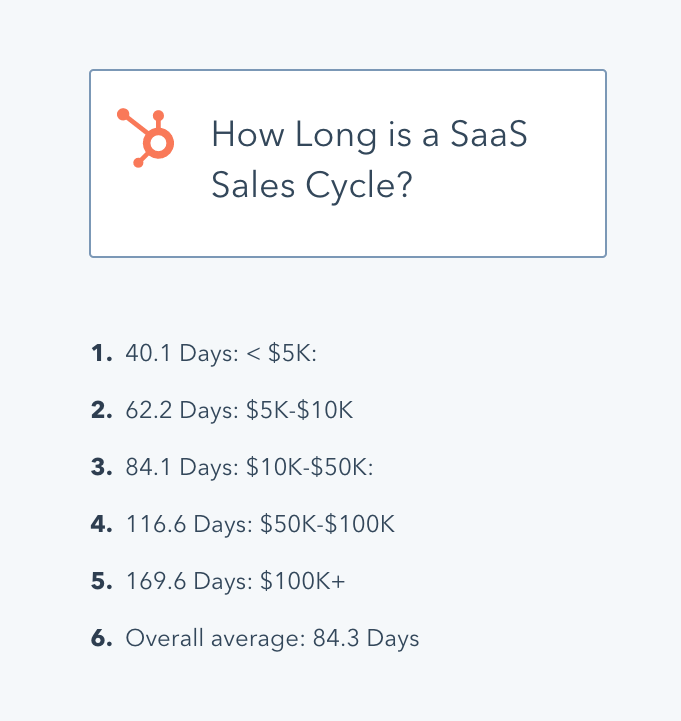
Dennis Koutoudis from LinkedIn SuperPowers told SalesHacker that he sees prospecting on social media, especially on LinkedIn, as one of the key SaaS sales opportunities of 2018:
“I predict that the usage of LinkedIn Sales Navigator by Sales Teams will increase considerably, enabling them both to zero in on their target prospects with extreme precision and also to delve deeper into Social Selling. The key here is to focus on providing value, build trust and develop solid professional relationships with target prospects that will ultimately improve sales figures. Great emphasis will also be placed on the way we present ourselves as Sales Professionals on the LinkedIn platform since with such fierce competition, now more than ever, we need to not only stand out in our professional field but also to engage in actions that will significantly increase our visibility on the LinkedIn platform.”
Prospecting platforms like 2Factr’s SocialPort are major game-changers in this regard. Social selling teams can use this tool to scale operations, thanks to smart libraries of content assets that reps can append to posts on the fly, as well as sophisticated contact intelligence data that can be used for qualifying leads mid-discussion and enriching CRM entries.
5. Keep Your Content Budget Under Control
According to Content Marketing Institute, 38% of brands are looking to up their content marketing budgets in 2018. Even so, that’s no excuse for brands to spend recklessly.
And given the emphasis on automation and other tools that could potentially cut into any given SaaS company’s budget, a leaner content marketing strategy just plain makes sense.
When your employees and customers are doing the legwork of promoting your brand, you cut out any sort of middleman when it comes to promotion. While there might be a time and place for paid media or influencers, SaaS brands should focus on an organic promotion strategy that keeps costs down.
Encouraging brand advocacy costs next to nothing compared to paid media. Additionally, popping up more and more via social media could actually score you earned media mentions as an added bonus.
Based on the previously noted CMI study, 50% of marketers believe that their ROI is closely linked to the way they go about distributing content. Rather than paying for promotion and distribution, creating your own advocates represents a more financially sensible strategy.
Conclusion
As competition continues to emerge in the SaaS space, having voices on deck to promote your content becomes a critical piece of standing out from the crowd.
Not only does advocacy keep content marketing costs down, but allows SaaS brands to seamlessly signal their authority. Rather than pay for that same credibility, why not generate it yourself?
And while marketing strategies at large never stay the same for long, brand advocacy is here to stay.
About the Author: Nadav is a veteran online marketer and the Founder & CEO of InboundJunction, an Israel-based content marketing company. Nadav helps well-known brands in boosting their online visibility through PR, SEO and Social Media.


from The Kissmetrics Marketing Blog https://ift.tt/2FwUH3Z
via IFTTT